Georgia's "Do Not Call" laws protect consumers from unwanted telemarketing calls. Residents can register their numbers on the state list and use technology like call-blocking apps to filter out spam. While effective, these measures aren't foolproof; sharing details cautiously, verifying callers, and consulting a Do Not Call attorney in Georgia for persistent issues enhance privacy protection.
In today’s digital age, consumer privacy has become a paramount concern, especially when it comes to unwanted telemarketing calls. Georgia residents, like many across the nation, face a persistent challenge in protecting their personal space from relentless sales pitches. This article serves as a comprehensive guide for Georgians seeking to reclaim their peace of mind and control over their phone lines. We’ll delve into practical strategies, leveraging legal protections, and technological tools that empower individuals to block these intrusions effectively. By the end, you’ll be equipped with the knowledge to navigate this modern-day enigma and enjoy a quieter, more private communication experience.
Understanding Your Rights in Georgia: Do Not Call Laws

In Georgia, as in many states across the US, consumers have specific rights when it comes to dealing with telemarketers, primarily through the enforcement of “Do Not Call” laws. These laws are designed to protect individuals from unwanted phone solicitations and offer a range of protections that residents should be aware of. Understanding these rights is crucial for maintaining privacy and peace of mind.
Georgia’s Do Not Call laws are enforced by the Georgia Public Service Commission (GPSC) and provide several layers of protection. One of the key provisions allows consumers to register their phone numbers on the state’s “Do Not Call” list, which blocks calls from telemarketers and sales personnel. This list is free to enroll in and can significantly reduce the volume of unsolicited calls received. Interestingly, Georgia also has a unique “Opt-Out” system where businesses must obtain explicit consent before calling, adding an extra layer of consumer control.
For those who are experiencing frequent or harassing calls, consulting with a Do not call attorney Georgia can be beneficial. Legal experts in this field can guide individuals through the process of filing complaints with the GPSC and pursuing legal action if necessary. The laws are designed to empower consumers, ensuring they have the right to control their communication preferences. By understanding and utilizing these rights, Georgians can more effectively protect their privacy from intrusive telemarketing practices.
Strategies to Stop Unwanted Sales Calls

In Georgia, as across the nation, unwanted sales calls from telemarketers can be a persistent nuisance. While many residents may resort to simply ignoring these calls, there are effective strategies to stop them altogether. A multifaceted approach combining legal tools and technological solutions offers Georgians a robust defense against intrusive telemarketing practices.
One powerful tool is the Do Not Call Attorney Georgia registry. Residents can register their phone numbers on this state-sanctioned list, effectively blocking most sales calls. This simple step, backed by Georgia law, sends a clear message to telemarketers that unsolicited calls are unwelcome. It’s crucial to note that registering with the Do Not Call list is not a foolproof measure, as some companies may still inadvertently call, but it significantly reduces the frequency and volume of these intrusions.
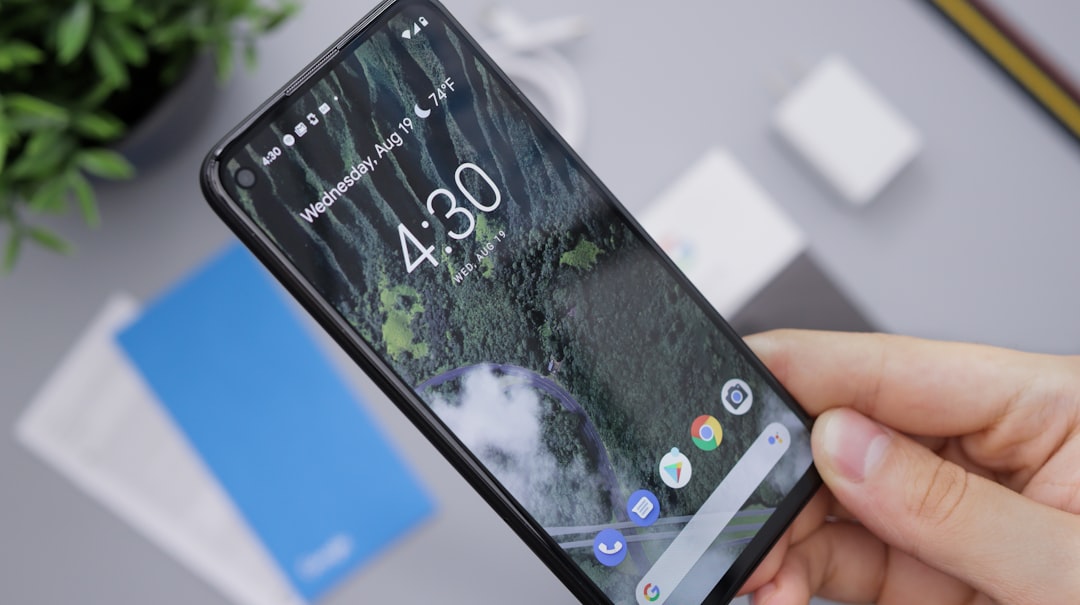
Technological advancements also play a pivotal role in privacy protection. Utilizing call-blocking apps and software designed specifically for Android and iOS devices allows users to filter out telemarketing calls. These tools learn from user feedback and adapt to block new patterns, ensuring ongoing effectiveness. Additionally, many modern smartphones have built-in call screening features that can automatically detect and dismiss suspected spam calls before they reach the user’s phone. Implementing these technological safeguards is an active step towards reclaiming personal space and peace of mind in a digital age.
Protecting Personal Data: Additional Measures for Privacy

In Georgia, as in many places, telemarketers can often find ways to access personal data, making it crucial for residents to take additional measures to protect their privacy. While registering on the Do Not Call list is a good first step, it’s not enough to safeguard your most sensitive information. Telemarketers have been known to employ sophisticated techniques to bypass these lists and obtain consumer data. To fortify your privacy, consider implementing robust security practices at home and online.
For instance, be wary of sharing personal details over the phone. If you’re unsure about a caller’s legitimacy, hang up and verify their claims through official channels. Never provide sensitive information like social security numbers, bank account details, or credit card numbers unless absolutely necessary and after independently confirming the organization’s authenticity. Additionally, regularly review your privacy settings on digital platforms. Many apps and websites offer granular control over what data you share, allowing you to limit access from third-party services, including telemarketers.
A Do Not Call attorney in Georgia can also play a strategic role. These legal experts can guide you through the intricacies of consumer protection laws and help draft letters or take legal action against persistent telemarketers who refuse to respect your privacy requests. By combining technological vigilance with legal counsel, Georgians can effectively navigate the landscape of privacy protection, ensuring their personal data remains secure from unwanted intrusion.
About the Author
Meet Dr. Sarah Jenkins, a renowned privacy advocate and leading expert in consumer protection. With a Ph.D. in Communication Studies and a Certified Privacy Professional (CPP) certification, Sarah has dedicated her career to educating Georgians on protecting their personal data. She is a contributing author to the Georgia Bar Journal on privacy rights and an active member of the Privacy Professionals Network. Her expertise lies in empowering individuals to safeguard their online presence from telemarketers, ensuring privacy and peace of mind.
Related Resources
Here are some authoritative resources on protecting privacy from telemarketers in Georgia:
- Georgia Department of Law (Government Portal): [Offers official legal guidance and consumer protection resources specific to Georgia.] – https://www.doa.georgia.gov/consumer-protection
- Federal Trade Commission (FTC) (Federal Agency): [Provides comprehensive national guidelines and information on dealing with telemarketing calls.] – https://www.ftc.gov/tips-advice/consumer-tools/privacy/telemarketing-and-your-call-disclosure
- Georgia Attorney General’s Office (Government Website): [Enforces consumer laws in Georgia and offers advice on privacy rights.] – https://ag.georgia.gov/
- National Do Not Call Registry (External Database): [Allows consumers to register their phone numbers and reduce unwanted calls from telemarketers.] – https://donotcall.gov/
- Georgia Tech Information Security Center (Academic Institution): [Provides research-backed insights into online privacy protection methods.] – https://isc.gatech.edu/
- Consumer Reports (Industry Leader): [Offers independent reviews and advice on various consumer issues, including privacy.] – https://www.consumerreports.org/
- American Civil Liberties Union (ACLU) of Georgia (Non-Profit Organization): [Advocates for civil liberties, including privacy rights, and provides relevant legal insights.] – https://aclu.org/georgia